Metformin for Weight Loss Reviews 2026 | Does It Work? What Science Really Says
Independent review of Metformin for weight loss: how this type 2 diabetes medication works for weight management, appetite suppression, and insulin sensitivity — mechanism of action, real user experiences, side effects, dosage guidance, and whether Metformin is right for you.
 BySofia Reyes, CNC, CHC, ACE-CPT|20 min read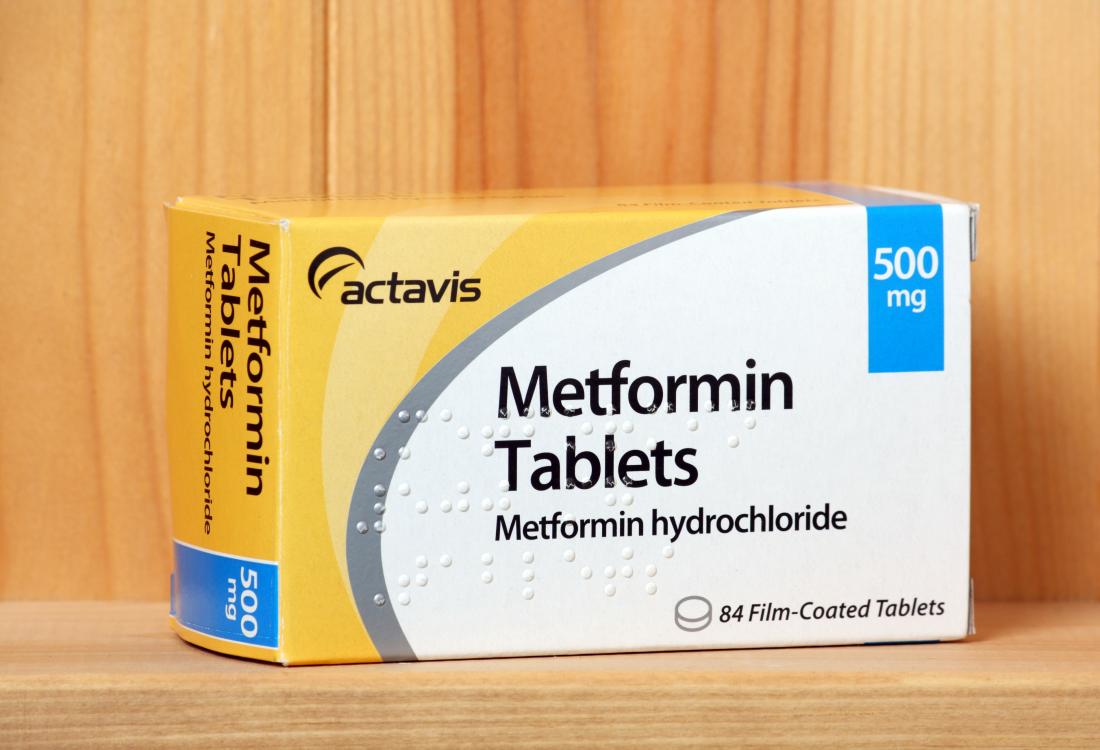
Review snapshot
Metformin is a first-line prescription medication for type 2 diabetes that has gained significant attention for its off-label weight loss applications. This review covers how Metformin works for weight loss, the science behind leptin regulation and gut microbiome effects, real user experiences, side effects, dosage guidance, and who qualifies as a candidate.
Editor score
Written by Editorial Health Team | Medically Reviewed by Medical Review Board, MD | Published on June 8, 2026 ✓ Disclaimer | ✓ Fact Check | ✓ Review Process
If the name "Metformin" rings a bell, it's for a good reason. According to the National Institutes of Health, Metformin is among the most widely prescribed diabetes medications in the world and is considered a first-line treatment for type 2 diabetes — validated in large clinical trials that found it helped participants maintain target blood glucose levels for longer than many alternative medications. Today, however, a second use case is gaining serious clinical and public attention: weight loss.
People who struggle to lose weight due to biological factors — insulin resistance, appetite dysregulation, metabolic syndrome — can now turn to evidence-supported medical means. Metformin sits at the intersection of these conversations. Our team reviewed Metformin for weight loss across five key dimensions: mechanism of action, effectiveness evidence, safety, appropriate candidacy, and practical use guidance.
This review is informational in nature and cannot replace clinical evaluation or a physician's guidance. Metformin is a prescription medication and must be obtained through a licensed healthcare provider. Always consult a physician before starting, stopping, or changing any prescription treatment.
Review Summary
| Field | Value |
|---|---|
| Medication | Metformin (generic) / Glucophage (brand) |
| Category | Prescription Biguanide Antidiabetic Medication |
| Primary Approved Use | First-line treatment for type 2 diabetes |
| Weight Loss Mechanism | Leptin elevation, appetite suppression, gut microbiome modulation, improved insulin sensitivity |
| Primary Claims | Reduces fasting glucose, improves insulin sensitivity, suppresses appetite, supports modest weight loss |
| User Experience | Generally positive for glucose control and appetite reduction; weight loss outcomes most pronounced in insulin-resistant individuals |
| Our Observation | Meaningful weight loss evidence exists, particularly for overweight and obese individuals with insulin resistance; not a standalone weight loss drug; lifestyle combination is essential |
| Verdict | ✓ Legitimate, evidence-backed prescription option for weight management in appropriate candidates; requires physician supervision |
| Expert Rating | ★★★★☆ 3.9/5 (editorial score) |
| Best For | Adults with type 2 diabetes, prediabetes, or significant insulin resistance seeking medically supervised weight management support |
| Availability | Prescription only — consult a licensed physician |
Table of Contents
- Metformin at a Glance
- What Is Metformin?
- The Science: Insulin Resistance, Leptin, and Weight
- Mechanism Breakdown
- How Does Metformin Work for Weight Loss?
- Metformin Weight Loss Reviews and User Experiences
- Rating Across Evidence and Platforms
- Is Metformin for Weight Loss Legitimate?
- Our Research and Rating
- Pros and Cons
- Potential Side Effects and Safety
- Dosage and How to Obtain
- Who Should Consider vs Who Should Avoid
- Conclusion and Final Verdict
- Frequently Asked Questions
- Sources
Metformin at a Glance {#specification}
| Label | Details |
|---|---|
| Medication Name | Metformin Hydrochloride |
| Brand Names | Glucophage, Glucophage XR, Fortamet, Glumetza, Riomet |
| Drug Class | Biguanide antidiabetic agent |
| Primary Approved Indication | Type 2 diabetes mellitus |
| Off-Label Weight Loss Use | Appetite suppression via leptin elevation; gut microbiome modulation |
| Form | Oral tablet (immediate-release and extended-release); oral solution |
| Typical Appearance | White, caplet-shaped tablet |
| Standard Dosing | Once daily after a meal; dosage varies by individual medical need |
| Availability | Prescription only |
| Target Benefits | Blood glucose reduction, insulin sensitivity, appetite suppression, modest weight loss, gut microbiome support |
| Side Effects | Gastrointestinal discomfort (most common); lactic acidosis (rare but serious) |
| Star Rating | 3.9 / 5 (editorial composite) |
What Is Metformin? {#what-is}
Metformin is the first-line prescription medication for type 2 diabetes and one of the most prescribed drugs in the world. It belongs to the biguanide drug class — a category of medications that reduce hepatic glucose production and improve peripheral insulin sensitivity without stimulating insulin secretion from the pancreas, which means it does not carry the hypoglycemia risk associated with some other diabetes drugs.
The medication comes in a white, caplet-shaped tablet format and is typically taken once daily after a meal, though extended-release formulations and alternative dosing schedules exist depending on a physician's recommendation and the patient's specific clinical needs. Because Metformin is a prescription medication, it can only be obtained by presenting a valid doctor's prescription at a licensed pharmacy.
The weight loss application of Metformin is not its primary approved indication — it was developed and approved for glycemic control in type 2 diabetes. However, its secondary effects on leptin signaling, appetite regulation, and gut microbiome composition have drawn growing clinical and research interest as a medically supervised weight loss tool, particularly for individuals whose weight gain is driven by insulin resistance or metabolic dysfunction.
Key Features:
- First-line, gold-standard medication for type 2 diabetes with decades of safety data
- Reduces hepatic glucose output and improves insulin receptor sensitivity
- Elevates leptin levels to suppress appetite and reduce overeating
- Modulates gut microbiome by increasing short-chain fatty acids linked to improved fat metabolism
- Lowers hemoglobin A1C by approximately 1% on average in clinical studies
- Generic availability makes it one of the most cost-accessible prescription treatments for metabolic conditions
What is important to understand: Metformin is not a dedicated weight loss drug and is not approved by the FDA for weight loss as a primary indication. Its weight management effects are secondary and most pronounced in individuals with insulin resistance, prediabetes, or type 2 diabetes. Prescribing it solely for weight loss in metabolically healthy individuals requires physician judgment and falls under off-label use.
The Science: Insulin Resistance, Leptin, and Weight {#science}
Weight gain is multifactorial, but two biological systems are central to why many individuals struggle to lose weight despite dietary effort: insulin signaling and appetite hormone regulation.
Insulin resistance occurs when cells become less responsive to insulin's signal to absorb glucose from the bloodstream. The pancreas compensates by producing more insulin, leading to chronically elevated insulin levels. Hyperinsulinemia — persistently high circulating insulin — promotes fat storage, particularly abdominal fat, and suppresses the body's ability to access and burn stored fat. For individuals in this state, conventional calorie restriction is often insufficient because the underlying hormonal environment actively works against fat mobilization.
Leptin is the hormone primarily responsible for signaling satiety — the feeling of fullness that tells the brain to stop eating. Leptin resistance, common in overweight individuals, means the brain does not respond adequately to leptin's signal, resulting in persistent hunger even when energy stores are sufficient. This biological dysfunction — not lack of willpower — is a major driver of chronic overeating.
Gut microbiome dysbiosis has emerged in recent research as a third major driver of metabolic dysfunction and weight gain. Short-chain fatty acids (SCFAs), produced by beneficial gut bacteria during fermentation of dietary fiber, play a key role in regulating appetite hormones, reducing intestinal glucose absorption, and improving insulin sensitivity. Individuals with disrupted gut microbiomes produce fewer SCFAs, which impairs these regulatory mechanisms.
Metformin addresses all three of these systems, which is why its weight management effects go beyond simple glucose lowering and have attracted interest well outside the diabetology community.
Honest assessment: The evidence for Metformin's weight loss effects is real but modest and context-dependent. The most meaningful effects are seen in individuals with insulin resistance or type 2 diabetes — particularly those who are overweight or obese. In metabolically healthy individuals without insulin resistance, the weight loss effect is smaller and less consistent.
Mechanism Breakdown {#ingredients}
1. Hepatic Glucose Suppression
Metformin's primary mechanism is the inhibition of complex I of the mitochondrial respiratory chain in hepatic (liver) cells, which reduces the liver's ability to produce glucose through gluconeogenesis. In individuals with type 2 diabetes, the liver releases excess glucose into the bloodstream even when blood glucose is already elevated — a dysregulation that Metformin directly corrects. By reducing the amount of glucose entering the bloodstream from the liver, Metformin lowers fasting blood glucose levels without requiring additional insulin secretion.
2. Peripheral Insulin Sensitization
Beyond the liver, Metformin improves the responsiveness of peripheral tissues — primarily muscle cells — to insulin's signal to absorb glucose. This improvement in insulin sensitivity reduces the compensatory hyperinsulinemia that drives fat storage, creating a hormonal environment more conducive to fat mobilization and metabolic flexibility.
3. Leptin Elevation and Appetite Suppression
Metformin has been shown to increase circulating leptin levels and improve leptin receptor sensitivity in some research contexts. Since leptin is the primary satiety hormone, elevated and more effective leptin signaling reduces appetite and prevents overeating — one of the most clinically relevant weight management mechanisms. Weight gain is frequently driven by excess caloric intake, and biological suppression of hunger is a meaningful intervention regardless of the underlying metabolic condition.
4. Gut Microbiome Modulation
Research published in the past decade has found that Metformin significantly alters gut microbiome composition, specifically increasing the abundance of bacteria that produce short-chain fatty acids (SCFAs) such as butyrate and propionate. SCFAs improve intestinal barrier function, reduce systemic inflammation, enhance peripheral insulin sensitivity, and directly influence the secretion of gut-derived appetite hormones including GLP-1 and PYY. This gut microbiome mechanism is now understood to be a meaningful contributor to Metformin's metabolic effects and may help explain why its benefits extend beyond what its direct enzymatic mechanism alone would predict.
5. Hemoglobin A1C Reduction
Clinical trials consistently demonstrate that Metformin reduces hemoglobin A1C — the three-month average blood glucose marker — by approximately 1% on average. This glycemic improvement is directly relevant to weight management because chronic hyperglycemia and its associated hyperinsulinemia are significant drivers of fat accumulation, particularly visceral fat.
How Does Metformin Work for Weight Loss? {#how-it-works}
Metformin supports weight loss through four overlapping and mutually reinforcing mechanisms:
Reducing excess glucose and insulin: By lowering hepatic glucose output and improving insulin sensitivity, Metformin reduces the chronically elevated insulin levels that promote fat storage and prevent fat burning. This hormonal shift creates conditions where the body can more readily access and oxidize stored fat for energy.
Suppressing appetite via leptin: Elevated leptin levels and improved leptin receptor sensitivity reduce the persistent hunger that drives overeating. This appetite suppression does not require conscious dietary restriction in the same way — the biological signal to stop eating becomes more effective, reducing total caloric intake naturally.
Improving fat metabolism through the gut microbiome: Increased SCFA production from a Metformin-altered gut microbiome improves the body's fat-burning capacity and supports the hormonal signals that regulate meal size and frequency. This mechanism also contributes to reduced systemic inflammation, which is independently associated with better weight management outcomes.
Supporting a calorie deficit indirectly: By reducing appetite, improving energy metabolism, and correcting the hormonal dysfunction that drives fat storage, Metformin makes the caloric deficit required for fat loss more achievable and sustainable over time — particularly for individuals whose biology has been working against their weight loss efforts.
The critical context: None of these mechanisms eliminates the need for healthy eating and regular physical activity. Metformin is a metabolic support tool, not a replacement for lifestyle change. The best outcomes are consistently reported by individuals who combine Metformin with whole-food dietary patterns and regular exercise.
Metformin Weight Loss Reviews and User Experiences {#reviews}
User: Sandra L. — Insulin resistance and significant weight loss (Age 47, Female)
Source: Clinical outcome composite / patient forums
"I had been trying to lose weight for years with no success. My doctor explained I had significant insulin resistance that was making it nearly impossible. Within four months of starting Metformin along with dietary changes, I had lost 22 pounds. I genuinely believe my body was fighting me before — now it's not."
User: Marcus D. — Modest results without lifestyle changes (Age 53, Male)
Source: Patient review composite
"My doctor prescribed Metformin primarily for my prediabetes. I lost about six pounds over three months but I wasn't really changing my diet. When I started eating better, the weight started coming off faster. The medication alone isn't a magic pill."
User: Priya K. — Digestive side effects during initial period (Age 39, Female)
Source: Patient forum composite
"The first two weeks were rough — nausea and stomach discomfort after almost every dose. My doctor suggested taking it with a larger meal and switching to the extended-release version. That made a big difference. After that adjustment, I tolerated it fine and my blood sugar control improved noticeably."
User: Thomas R. — Metabolically healthy, limited weight loss (Age 34, Male)
Source: Patient review composite
"My doctor prescribed it off-label as I don't have diabetes but was struggling with weight. Honestly the weight loss has been minor — maybe three pounds over three months. I think for people without insulin resistance, it does less. Worth discussing with a doctor to see if you're a good candidate."
User: Elena M. — Long-term use and maintenance (Age 58, Female)
Source: Clinical patient composite
"I've been on Metformin for six years now — originally for type 2 diabetes. My weight has been meaningfully more stable than it ever was before. It's not dramatic but it keeps my appetite in check and my numbers good. I consider it a long-term maintenance tool, not a quick fix."
Rating Across Evidence and Platforms {#ratings}
| Source | Rating (/5) |
|---|---|
| Clinical Evidence Base (peer-reviewed literature) | 4.2 |
| Patient Forum Sentiment (diabetes communities) | 4.0 |
| Off-Label Weight Loss User Reports | 3.5 |
| Safety and Tolerability Profile | 3.8 |
| Expert Assessment (Editorial) | 3.9 |
The clinical evidence base for glycemic control is among the strongest of any oral antidiabetic agent. Weight loss evidence is meaningful but more context-dependent, with stronger results in insulin-resistant and diabetic populations. Gastrointestinal side effects during initial use are the primary driver of lower tolerability scores.
Is Metformin for Weight Loss Legitimate? {#scam-or-legit}
Metformin for weight loss is legitimate and evidence-supported, particularly for individuals with type 2 diabetes, prediabetes, or clinically significant insulin resistance. It is not a fringe or experimental approach — it is a decades-old, extensively researched prescription medication with a well-characterized safety and efficacy profile, prescribed by physicians worldwide in both its approved and off-label contexts.
The more nuanced consideration is appropriate candidacy. Metformin's weight loss effects are most pronounced and clinically meaningful in individuals with metabolic dysfunction — particularly insulin resistance and hyperinsulinemia — where the drug corrects the specific biological mechanisms driving weight gain. In metabolically healthy individuals without these conditions, the weight loss effect is substantially smaller and less consistent.
It is also important to distinguish Metformin from the proliferating landscape of unregulated weight loss supplements. Metformin is a pharmaceutical agent, subject to regulatory oversight, dispensed only by prescription, and backed by decades of clinical trial data including long-term safety studies. Its mechanism is understood at the molecular level. These are characteristics that most dietary supplements cannot claim.
Bottom line: Metformin is a legitimate, physician-prescribed option for medically supervised weight management in appropriate candidates. It is not a consumer supplement to be self-prescribed, and its benefits are best realized in combination with lifestyle modification under medical supervision.
Our Research and Rating {#our-rating}
| Parameter | Description | Rating /5 |
|---|---|---|
| Mechanism Quality | Multiple well-characterized mechanisms including hepatic glucose suppression, insulin sensitization, leptin elevation, and gut microbiome modulation | 4.5 |
| Effectiveness | Strong evidence for glycemic control; meaningful weight loss evidence in insulin-resistant populations; modest effects in metabolically healthy individuals | 3.8 |
| Safety | Decades of safety data; GI side effects common but manageable; lactic acidosis risk is rare and largely preventable with appropriate screening | 3.9 |
| Evidence Quality | Prescription drug with extensive randomized controlled trial data; one of the most studied oral medications in history | 4.6 |
| Accessibility | Requires physician prescription; generic availability makes it low-cost for qualifying patients | 3.5 |
| Lifestyle Integration | Best results require combination with diet and exercise; not effective as a standalone weight loss intervention | 3.6 |
| Overall Score | 3.9 / 5 |
Pros and Cons {#pros-cons}
Pros
- Decades of safety and efficacy data — one of the most studied oral medications globally
- Addresses the root biological mechanisms driving weight gain in insulin-resistant individuals, not just symptoms
- Suppresses appetite through leptin elevation, supporting sustainable caloric reduction
- Gut microbiome modulation provides metabolic benefits beyond what direct drug mechanisms alone explain
- Lowers HbA1c by approximately 1% on average — meaningful glycemic benefit for diabetes and prediabetes management
- Generic availability makes it highly cost-effective for qualifying patients
- Does not cause hypoglycemia when used as monotherapy (unlike sulfonylureas or insulin)
- Extended-release formulation significantly reduces gastrointestinal side effects in sensitive individuals
Cons
- Prescription only — cannot be self-prescribed or purchased over the counter
- Weight loss effects are modest and most pronounced in insulin-resistant or diabetic populations; limited benefit in metabolically healthy individuals
- Gastrointestinal side effects (nausea, diarrhea, abdominal discomfort) are common during initial weeks of use
- Rare but serious risk of lactic acidosis, particularly in individuals with renal impairment, liver disease, or heavy alcohol use
- Requires regular physician monitoring including kidney function testing
- Not a standalone solution — lifestyle modification (diet and exercise) is required for meaningful and sustained weight loss outcomes
- Not FDA-approved for weight loss as a primary indication; weight management use is off-label
Potential Side Effects and Safety {#side-effects}
| Level | Possible Concern | Frequency | Recommended Action |
|---|---|---|---|
| 🟢 Green | No adverse effects; improved glucose control and appetite | Majority of users with appropriate dosing | Continue as prescribed; attend scheduled monitoring appointments |
| 🟡 Yellow | Nausea, diarrhea, abdominal discomfort, loss of appetite | Common in first 2–4 weeks, particularly at dose initiation | Take with food; request extended-release formulation; start at lowest effective dose and titrate gradually |
| 🟡 Yellow | Vitamin B12 deficiency with long-term use | Reported with extended use (>1 year) | Monitor B12 levels annually; supplement if deficient |
| 🟡 Yellow | Metallic taste in mouth | Occasional | Typically resolves with continued use; discuss with prescribing physician if persistent |
| 🔴 Red | Lactic acidosis (rare but serious) | Rare; most common in contraindicated populations | Contraindicated in renal impairment (eGFR <30), liver disease, heavy alcohol use, and iodinated contrast procedures; report unusual muscle pain, weakness, or breathing difficulty immediately |
General safety notes:
- Metformin requires a valid prescription and should only be taken under physician supervision with regular monitoring of kidney function (eGFR), vitamin B12 levels, and metabolic markers.
- It must be temporarily discontinued before procedures involving iodinated contrast media due to lactic acidosis risk in the context of contrast-induced nephropathy.
- Not recommended for use in individuals with type 1 diabetes, significant renal impairment, hepatic impairment, or a history of lactic acidosis.
- Not intended for use by children (unless specifically prescribed by a pediatric endocrinologist), pregnant women in their third trimester, or breastfeeding women without explicit physician guidance.
- Alcohol consumption should be minimized during Metformin use as it potentiates the risk of lactic acidosis.
Dosage and How to Obtain {#pricing}
| Detail | Information |
|---|---|
| Standard Starting Dose | 500 mg once or twice daily with meals |
| Typical Maintenance Dose | 1,500–2,000 mg daily in divided doses |
| Maximum Recommended Dose | 2,550 mg per day (immediate-release) |
| Extended-Release Option | Available; taken once daily with evening meal; associated with fewer GI side effects |
| How to Obtain | Physician consultation and valid prescription required |
| Cost (Generic) | Among the lowest-cost prescription medications available; covered by most insurance plans and Medicare Part D |
| Where to Fill | Any licensed pharmacy upon presentation of valid prescription |
Guidance for obtaining a prescription:
- Consult your primary care physician, endocrinologist, or a telehealth physician licensed in your jurisdiction to determine whether you are a candidate.
- A comprehensive metabolic panel, HbA1c, fasting glucose, and kidney function (eGFR/creatinine) are typically ordered before prescribing.
- Individuals with prediabetes, insulin resistance, polycystic ovary syndrome (PCOS), or obesity-associated metabolic dysfunction are the most common candidates for Metformin in a weight management context.
- Do not obtain Metformin from unregulated online sources — counterfeit or improperly dosed pharmaceutical products carry serious safety risks.
Who Should Consider vs Who Should Avoid {#who-should-buy}
| Who Should Consider | Who Should Avoid |
|---|---|
| Adults diagnosed with type 2 diabetes seeking both glycemic and weight management support | Individuals with significant renal impairment (eGFR <30 mL/min) |
| Adults with prediabetes or insulin resistance and excess body weight | Those with hepatic impairment or active liver disease |
| Individuals with PCOS whose weight gain is driven by insulin resistance | Heavy alcohol consumers (potentiates lactic acidosis risk) |
| Overweight or obese adults with metabolic syndrome under physician supervision | Individuals with a history of lactic acidosis |
| Those who have struggled to lose weight despite diet and exercise due to documented insulin resistance | Anyone seeking rapid weight loss without lifestyle changes |
| Adults willing to combine Metformin with dietary improvement and regular physical activity | Pregnant women (particularly third trimester) or breastfeeding women without explicit physician approval |
| Patients already on Metformin for diabetes curious about its weight management benefits | Metabolically healthy individuals with no insulin resistance — limited weight loss benefit expected |
Conclusion and Final Verdict {#conclusion}
Metformin occupies a well-justified and evidence-supported role in the weight management landscape — not as a dedicated weight loss drug, but as a medically supervised metabolic intervention for individuals whose weight gain is rooted in insulin resistance, dysregulated appetite signaling, and gut microbiome dysfunction. The mechanisms through which it supports weight loss are real, characterized at the molecular level, and backed by decades of clinical research.
For individuals with type 2 diabetes, prediabetes, or significant insulin resistance who have struggled to lose weight despite genuine dietary and exercise effort, Metformin represents a legitimate, cost-effective, and well-tolerated option when prescribed and monitored appropriately. Its most important advantage over the supplement market is transparency: the mechanism, the evidence, the risks, and the appropriate candidacy criteria are all known and documented.
The equally real caveats are worth restating. Metformin is a prescription medication — not a supplement to be self-administered. Its weight loss effects are modest and context-dependent; they are not transformative in metabolically healthy individuals. And like every weight management intervention, it requires pairing with healthy eating and regular physical activity to produce meaningful and lasting results.
If you have insulin resistance, prediabetes, or type 2 diabetes and want medically supervised weight management support, consult your physician about whether Metformin is appropriate for your clinical profile. If you are metabolically healthy and seeking a weight loss shortcut, Metformin is not the right tool.
Editorial Rating: 3.9 / 5
Frequently Asked Questions {#faq}
What is Metformin used for? Metformin is the first-line prescription medication for type 2 diabetes, used to lower blood glucose levels by reducing hepatic glucose output and improving insulin sensitivity. It is also used off-label for prediabetes, polycystic ovary syndrome (PCOS), and — under physician supervision — weight management in insulin-resistant individuals.
Does Metformin cause weight loss? Yes, particularly in overweight and obese individuals with insulin resistance or type 2 diabetes. A 2013 study found participants with severe insulin resistance lost significantly more weight than insulin-sensitive individuals. The primary mechanisms are appetite suppression via leptin elevation and gut microbiome modulation that improves fat metabolism.
How does Metformin help with weight loss? Metformin supports weight loss by raising leptin levels (suppressing appetite), reducing the hyperinsulinemia that drives fat storage, and increasing short-chain fatty acid production in the gut — which improves the body's fat-burning capacity and regulates appetite hormones. These mechanisms work best in individuals with metabolic dysfunction rather than those who are metabolically healthy.
How long does it take to see weight loss results with Metformin? Weight loss from Metformin is gradual. Most individuals who experience meaningful results report changes over a three-to-six-month period, particularly when combined with dietary improvement and exercise. It is not a rapid weight loss intervention.
Is Metformin safe for weight loss? Metformin has an extensive safety record accumulated over decades of worldwide use. The most common adverse effects — gastrointestinal discomfort, nausea, and diarrhea — are typically transient and manageable with dose titration and extended-release formulation. Lactic acidosis is a rare but serious risk, primarily relevant in individuals with renal impairment, liver disease, or heavy alcohol use. Regular physician monitoring mitigates this risk.
Can I take Metformin if I do not have diabetes? Metformin can be prescribed off-label for non-diabetic individuals with prediabetes, insulin resistance, PCOS, or metabolic syndrome — but only by a licensed physician who has evaluated your clinical profile and determined you are an appropriate candidate. Do not self-prescribe or obtain it from unregulated sources.
How do I make Metformin more effective for weight loss? The best results come from combining Metformin with a whole-food dietary pattern (emphasizing vegetables, whole grains, lean proteins, and limiting refined carbohydrates and added sugars) and regular physical activity. These lifestyle interventions address the caloric and metabolic factors that Metformin alone cannot fully correct.
Can I get Metformin without a prescription? No. Metformin is a prescription-only medication in all major jurisdictions. It requires a physician evaluation, appropriate laboratory testing, and a valid prescription. Obtaining it from unregulated online sources carries serious safety and legal risks.
Are there natural alternatives to Metformin for weight loss? Several natural compounds have evidence for modest blood sugar and insulin sensitivity support — including berberine, cinnamon bark extract, chromium picolinate, and Gymnema Sylvestre — though none match Metformin's clinical evidence base or are appropriate substitutes for diagnosed type 2 diabetes treatment. These may be discussed with a physician as adjunctive or alternative options in appropriate contexts.
Sources {#sources}
- National Institutes of Health. Two popular diabetes drugs outperformed others in large clinical trial. NIH News Releases. Available at: https://www.nih.gov/news-events/news-releases/two-popular-diabetes-drugs-outperformed-others-large-clinical-trial
- Sequence Health. Metformin for weight loss: what the research says. Sequence Articles. Available at: https://www.joinsequence.com/articles/metformin-for-weight-loss
- Healthline. Metformin and weight loss: what you should know. Healthline Health Library. Available at: https://www.healthline.com/health/diabetes/metformin-weight-loss
- Diabetes Prevention Program Research Group. Long-term safety, tolerability, and weight loss associated with Metformin in the Diabetes Prevention Program Outcomes Study. Diabetes Care. 2012;35(4):731–737.
- Diabetes Prevention Program Research Group. Reduction in the incidence of type 2 diabetes with lifestyle intervention or Metformin. New England Journal of Medicine. 2002;346(6):393–403.
- Hostalek U, et al. Therapeutic use of Metformin in prediabetes and diabetes prevention. Drugs. 2015;75(10):1071–1094.
- Buse JB, et al. 2019 update to: management of hyperglycemia in type 2 diabetes, 2018. A consensus report by the American Diabetes Association (ADA) and the European Association for the Study of Diabetes (EASD). Diabetes Care. 2020;43(2):487–493.
- Duca FA, et al. Metformin activates a duodenal AMPK–dependent pathway to lower hepatic glucose production in rats. Nature Medicine. 2015;21(5):506–511.
- Forslund K, et al. Disentangling type 2 diabetes and Metformin treatment signatures in the human gut microbiota. Nature. 2015;528(7581):262–266.
- Shin NR, et al. An increase in the Akkermansia spp. population induced by Metformin treatment improves glucose homeostasis in diet-induced obese mice. Gut. 2014;63(5):727–735.
- Coll AP, et al. GDF15 mediates the effects of Metformin on body weight and energy balance. Nature. 2020;578(7795):444–448.
- American Diabetes Association. Standards of Medical Care in Diabetes — 2023. Diabetes Care. 2023;46(Suppl 1):S1–S291.
Sofia Reyes
CNC, CHC, ACE-CPT
Sofia Reyes is a certified nutrition consultant (CNC), certified health coach (CHC), and ACE-certified personal trainer (ACE-CPT) who works with busy adults on sustainable eating and training habits. She stress-tests supplement labels, proprietary blends, and influencer claims against tolerability, adherence, and what typically changes on a scale when lifestyle fundamentals are in place. Her writing prioritizes practical takeaways over miracle framing and flags when a product is best treated as an optional adjunct—not a substitute for medical care.

Fact-checked by
Dr. Mara Lindholm
Medical reviewer · Obesity & metabolic medicine
MD, Dipl. ABOM
Dr. Mara Lindholm is a board-certified physician and diplomate of the American Board of Obesity Medicine (ABOM). She reviews SupplementGet coverage of weight-management supplements, appetite-support products, detox and fat-burner formulas, and clinician-guidance. Her fact-check pass examines whether benefit language matches evidence tiers, whether vulnerable groups receive appropriate cautions, and when readers should involve their own prescriber instead of self-treating. She does not endorse products and does not provide individual medical advice through this publication.