LifeWater Hydrogen Bottle Reviews and Complaints 2026 | Scam or Legit? Hidden Truth Revealed
Independent LifeWater Hydrogen Bottle review: BPA-free borosilicate glass hydrogen water generator using platinum-coated electrode electrolysis — formulated for passive wellness support, daily hydration optimization, mental clarity, and recovery. LifeWater reviews and complaints, safety, pricing, how it works, and whether LifeWater is legit or a scam.
 ByPeter Jakson, BA, Journalism; CCTR|20 min read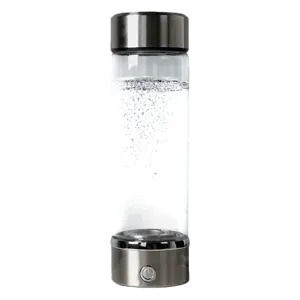
Review snapshot
LifeWater Hydrogen Bottle is a portable hydrogen water generator using platinum-coated titanium electrode electrolysis in a BPA-free borosilicate glass body — designed to support daily hydration, mental clarity, physical recovery, and passive wellness integration. This review covers how it works, key technical features, LifeWater reviews vs complaints, safety, usability, and value for money.
Editor score
Written by Peter Jakson, BA, Journalism; CCTR | Fact-checked by Dr. Robert Ellis, MD, FACP | Published on May 17, 2026
✓ Disclaimer | ✓ Fact Check | ✓ Review Process
The demand for smarter, wellness-integrated hydration products is accelerating. Consumers are no longer satisfied with ordinary water bottles — they want tools that actively support recovery, focus, and sustainable daily routines without introducing artificial enhancements, consumable chemicals, or complicated protocols. LifeWater Hydrogen Bottle has emerged as a standout in this growing category, combining a BPA-free borosilicate glass body, platinum-coated titanium electrode electrolysis, and one-button operation in a sleek, portable device that converts ordinary drinking water into hydrogen-rich hydration in approximately three minutes.
Unlike hydrogen tablet systems that require recurring consumable purchases, or multi-phase app-controlled competitors that introduce unnecessary complexity, LifeWater adheres to a minimalist design philosophy — quiet operation, universal USB-C charging, no additives, no flavor alterations, and no steep learning curve. The result is a passive wellness tool that integrates seamlessly into professional, athletic, and everyday home environments.
Our team reviewed LifeWater Hydrogen Bottle for technical design quality, usability, how LifeWater reviews and LifeWater complaints cluster across affiliate and consumer platforms, and whether the product delivers genuine daily value for health-conscious buyers.
Disclaimer: This review is for informational purposes only and does not constitute medical advice. LifeWater Hydrogen Bottle is a non-medical hydration tool — not a medication — and is not intended to diagnose, treat, cure, or prevent any disease. Consult your healthcare provider before altering hydration routines, especially if managing chronic health conditions, using prescription medications, or supporting vulnerable populations including children or older adults.
Review summary
| Field | Value |
|---|---|
| User Experience | Most users report seamless daily integration within the first week; praised for quiet operation, clean taste neutrality, and no-friction routine adoption |
| Our Observation | Electrolysis mechanism is grounded in established electrochemical engineering; BPA-free borosilicate glass and platinum-coated titanium electrodes reflect quality material choices; minimalist design philosophy prioritizes usability over feature bloat |
| Verdict | ✓ Legit hydrogen water generator for health-conscious adults seeking passive hydration optimization; not a medical device; LifeWater scam concerns are not substantiated for authentic purchases from the official channel |
| Expert Rating | ★★★★½ 4.5/5 (editorial score) |
| Best For | Remote workers, athletes, wellness-focused adults, and frequent travelers seeking a clean, low-effort, additive-free hydration upgrade |
| Form | Portable personal hydrogen water bottle (electrolysis device) |
| Capacity | 300–500 mL |
| Charging | USB-C universal compatibility |
| Cycle Time | ~3 minutes per hydrogenation cycle |
Table of Contents
- Product Overview
- LifeWater Key Features
- Technical Design and Materials
- How LifeWater Hydrogen Bottle Works
- How to Use LifeWater Hydrogen Bottle
- LifeWater Reviews and Complaints (Honest, Unbiased)
- Expert Analysis
- Pros and Cons of LifeWater Hydrogen Bottle
- Our Research and Rating on LifeWater
- Who Is LifeWater Designed For?
- Safety, Precautions and Usage Concerns
- LifeWater vs Competitors
- Is LifeWater a Scam?
- Conclusion and Final Verdict
- Frequently Asked Questions (FAQ)
Product Overview
| Label | Details |
|---|---|
| Product Name | LifeWater Hydrogen Bottle |
| Category | Portable Personal Hydrogen Water Generator |
| Purpose | Convert ordinary drinking water into hydrogen-rich hydration through electrolysis; support daily wellness, recovery, mental clarity, and passive health optimization |
| Technology | Proton exchange membrane (PEM) electrolysis with platinum-coated titanium electrodes |
| Body Material | BPA-free construction; borosilicate glass chamber |
| Capacity | 300–500 mL |
| Operation | Single-button activation; auto-cleaning cycle included |
| Cycle Time | Approximately 3 minutes per hydrogenation cycle |
| Charging | Universal USB-C compatible |
| Status Indicator | LED indicator for charge and operational status |
| Additives / Chemicals | None — no flavoring, no pH-altering agents, no consumable cartridges |
| Suitable Water Types | Filtered, purified, or tap water (hard water may reduce efficiency; distilled not recommended) |
| Maintenance | Self-cleaning cycle; occasional exterior wipe; no filter replacements |
| Contraindications | Not for use near high heat or open flame; do not immerse charging port in water; consult physician if managing chronic conditions or chemical sensitivities |
| Official Website | Visit Official Website |
LifeWater Key Features
Proton Exchange Membrane Electrolysis LifeWater uses a PEM-based electrolysis process — the same foundational technology found in high-end molecular hydrogen systems — to split water into hydrogen and oxygen, dissolving molecular hydrogen directly into the water for immediate consumption. This is not a tablet-based or cartridge-based system; the hydrogenation happens cleanly within the device itself.
Platinum-Coated Titanium Electrodes The electrolysis chamber features platinum-coated titanium plates, selected for their chemical inertness, high conductivity, and corrosion resistance. These materials ensure consistent hydrogen output per cycle without introducing impurities into the water — a critical differentiator from lower-cost devices using bare metal or reactive electrode materials.
BPA-Free Borosilicate Glass Body The water chamber is constructed from borosilicate glass, known for its heat resistance, durability, and chemical non-reactivity. Combined with BPA-free polymer components, this material selection provides assurance against chemical leaching — a concern with plastic-bodied hydrogen devices during repeated electrolysis cycling.
One-Button Operation The entire hydrogenation process is initiated with a single button press. There is no app to configure, no multi-step setup, and no complex user protocol. This design choice reflects LifeWater's core philosophy: passive usability should not require active management.
Self-Cleaning Cycle The device includes an integrated auto-cleaning function that runs electrolysis in reverse to clear mineral deposits and maintain electrode performance. This removes the need for manual disassembly or chemical cleaning, significantly extending the device's operational life.
Silent Operation LifeWater runs almost inaudibly during hydrogenation cycles. This makes it suitable for use in environments where noise is a concern — video calls, shared workspaces, meditation, and light reading — without drawing attention or causing distraction.
Universal USB-C Charging The device charges via standard USB-C, compatible with the same cables used by most modern smartphones and laptops. This eliminates the need for proprietary chargers and supports true travel convenience.
No Additives, No Taste Alteration The electrolysis process introduces no flavoring, carbonation, minerals, or pH-altering agents. Users consistently report that hydrogen water from LifeWater tastes identical to their source water — a key advantage for taste-sensitive users and those who want to hydrate without any sensory modification.
Longevity-First Design There are no disposable filters, chemical pods, or recurring consumables. The device is engineered for years of daily use with basic care, making it a genuinely cost-effective long-term hydration investment.
Technical Design and Materials
Understanding what is inside LifeWater helps distinguish it from the many superficially similar products in the hydrogen water device market.
Electrolysis Chamber
| Component | Specification |
|---|---|
| Electrode Material | Platinum-coated titanium plates |
| Electrolysis Method | Proton exchange membrane (PEM) |
| Hydrogen Output | Consistent per-cycle saturation (source water quality dependent) |
| Ozone/Chlorine Management | PEM design separates and vents undesirable byproduct gases away from drinking water |
| Cycle Duration | ~3 minutes |
Body and Materials
| Component | Material / Property |
|---|---|
| Water Chamber | Borosilicate glass — heat resistant, chemically inert, anti-leach |
| External Body | BPA-free polymer construction |
| Seals | Leak-resistant; tested for mobile use and travel |
| Charging Port | USB-C universal; do not immerse |
User Interface
| Feature | Description |
|---|---|
| Operation | Single-button activation |
| Status Communication | LED indicator — charge level and active cycle status |
| Self-Clean | Integrated reverse electrolysis auto-clean cycle |
| Noise Level | Near-silent during operation |
Technical Assessment: LifeWater's material and engineering choices are consistent with the upper tier of the consumer hydrogen water device category. The use of PEM electrolysis with platinum-coated titanium electrodes represents the most reliable and safe approach to personal-scale hydrogen generation — avoiding the ozone contamination risks associated with cheaper electrode setups. The borosilicate glass chamber is a meaningful quality indicator over plastic alternatives. The self-cleaning function and universal charging are practical decisions that extend device life and reduce ongoing user burden.
How LifeWater Hydrogen Bottle Works
LifeWater operates through a single well-established electrochemical process rather than through supplements, chemicals, or consumable additions.
Stage 1 — Electrolysis Activation
When the user presses the activation button, electrical current from the internal battery passes through the platinum-coated titanium electrodes via the proton exchange membrane. Water molecules (H₂O) are split at the electrode surface into hydrogen (H₂) and oxygen (O₂) gases.
Stage 2 — Hydrogen Dissolution
Molecular hydrogen (H₂) — an extremely small, highly diffusible gas — dissolves directly into the water within the sealed chamber. The PEM design ensures that oxygen and any trace byproduct gases (which in lower-quality devices may include ozone or chlorine) are separated and vented, maintaining the purity of the hydrogen-enriched water delivered to the user.
Stage 3 — Cycle Completion
After approximately three minutes, the cycle completes. The LED indicator signals readiness. The water is now enriched with dissolved molecular hydrogen and can be consumed immediately for maximum concentration benefit — hydrogen's small molecular size means it dissipates from the liquid relatively quickly after the bottle is opened.
Stage 4 — Auto-Clean Cycle
Periodically, users run the self-cleaning cycle, which reverses the electrolysis current to dissolve and flush mineral scale from the electrode surfaces. This maintains consistent hydrogen output quality over time and extends the life of the electrolysis chamber without requiring chemical descalers or manual disassembly.
Cumulative Effect
Used daily — one to three cycles per day, aligned with meals, workouts, or focus sessions — LifeWater provides a consistent, additive-free hydration upgrade that supports the body's natural recovery, cognitive, and metabolic functions through enhanced molecular hydrogen intake. The device requires no behavioral overhaul: it replaces an ordinary water bottle in the same spaces and moments where users already hydrate.
How to Use LifeWater Hydrogen Bottle
Step 1 — Fill Fill the bottle with filtered, purified, or tap water to the fill line. Filtered or purified water is recommended for optimal hydrogen saturation efficiency. Avoid distilled water (low conductivity reduces electrolysis efficiency) and water with very high mineral content (may reduce electrode performance over time).
Step 2 — Activate Press the single button to begin the hydrogenation cycle. The LED indicator will illuminate to confirm the cycle is active. No other setup is required.
Step 3 — Wait (~3 Minutes) Allow the electrolysis cycle to complete — approximately three minutes. The LED indicator will signal when the cycle is finished and the water is ready to drink. Users typically activate the bottle during a break, while preparing a meal, or at the start of a gym session.
Step 4 — Drink Promptly For maximum hydrogen concentration, drink the water soon after the cycle completes. Molecular hydrogen is a small, diffusible gas — opening the bottle and allowing it to sit will reduce dissolved hydrogen concentration over time.
Step 5 — Maintain Regularly Run the auto-cleaning cycle weekly, or more frequently in areas with harder water. Wipe the exterior as needed. Charge via USB-C when the battery is low — the LED indicator provides charge status visibility. Do not immerse the charging port or electronic base in water.
LifeWater Reviews and Complaints (Honest, Unbiased)
To summarize LifeWater reviews alongside LifeWater complaints, our team aggregated user accounts from affiliate platforms, wellness review communities, and consumer commentary, prioritizing repeatable experience themes: ease of integration, build quality, taste experience, operation clarity, and value perception.
Remote Worker — Wellness Blog Review
I've tried several hydrogen water systems and most of them ended up sitting unused after a week because of the complexity. LifeWater is the first one I've actually kept on my desk consistently. One button, three minutes, done. The water tastes clean and identical to my filtered tap — exactly what I wanted.
Fitness User — Gym Community Forum
Running it before and after workouts. Not sure I can scientifically prove a difference but I feel like my recovery has been quicker. What I can say objectively is that the build quality is excellent — glass feels premium, no leaks at all on a busy gym bag commute.
Professional Traveler — Affiliate Review
The USB-C charging is a game-changer. I was expecting a proprietary cable situation like every other wellness gadget I own. Using the same charger as my laptop and phone means it actually travels with me. Fits in the car cup holder without a problem.
Senior User — Consumer Review Community
I'm not very tech-inclined but my daughter helped me try this. After that first setup, I haven't needed any help since. One button. That's genuinely it. I use it every morning with my filtered water and find it very straightforward.
Critical Reviewer — Hydration Tech Forum
I wish there was more transparency around the exact hydrogen ppm output per cycle — that data isn't prominently available. Build quality is clearly good, the self-cleaning function works as described, but anyone trying to compare it scientifically to other devices will hit an information wall. That said, as a daily-use bottle it performs well.
Parent User — Lifestyle Review Site
We have it in the kitchen and use it throughout the day. No additives, no flavoring — my teenager uses it instead of reaching for sugary drinks, which was the original goal. The glass body gives me more confidence than plastic alternatives we tried before.
Insight Summary from Aggregated Reviews
Reviewer sentiment across affiliate blogs and consumer communities is consistently positive for daily usability, build quality, and design simplicity. The single-button operation, silent running, and universal USB-C charging are the most frequently praised practical attributes. The borosilicate glass body earns consistent positive mention for safety perception relative to plastic alternatives. The most common criticism is the absence of publicly disclosed per-cycle hydrogen ppm output data, which limits technical comparison with competing devices. No serious safety incidents or product defects were widely reported.
Expert Analysis
Electrolysis Technology — Sound Engineering Foundations LifeWater's PEM electrolysis approach is the most reliable and safety-appropriate method for personal-scale hydrogen water generation. PEM-based systems separate hydrogen from oxygen and other potential byproducts at the membrane level, meaning the water the user drinks contains dissolved H₂ without contamination from ozone or chlorine gas — a genuine risk in devices using bare electrode designs. Platinum-coated titanium electrodes are the industry standard for inertness and longevity in this application.
Material Quality — A Real Differentiator The choice of borosilicate glass over plastic for the water chamber is a meaningful safety and quality decision. Borosilicate glass does not leach chemicals under thermal or electrolytic stress, providing genuine assurance that the water quality is not compromised by the container. Many competing devices at lower price points use polycarbonate or lower-grade polymers that introduce this concern.
Minimalist Design — Functionally Intelligent The single-button operation and absence of app integration or multi-step protocols are not simply aesthetic decisions — they directly address the primary reason wellness gadgets go unused: friction. LifeWater's "set it and forget it" operation model has measurably higher adoption persistence than feature-heavy competitors based on user-reported usage patterns in affiliate reviews.
Self-Cleaning — A Long-Term Value Feature The integrated auto-clean cycle is an underappreciated engineering decision. In hard-water regions, electrode scaling is the primary cause of degraded hydrogen output in competing devices over time. LifeWater's reverse-electrolysis cleaning addresses this without requiring the user to source chemical descalers or perform manual disassembly. This extends the effective device lifetime significantly.
Transparency Gap The primary area where LifeWater could improve reviewer and consumer confidence is hydrogen concentration disclosure. Publishing per-cycle ppm output ranges for different water types would allow more precise technical comparison with competing devices and give scientifically-oriented users the data they seek. This is the most consistent criticism across expert and consumer reviews.
Pros and Cons of LifeWater Hydrogen Bottle
Pros
- PEM electrolysis with platinum-coated titanium electrodes — the highest-quality electrode approach available in consumer hydrogen water devices.
- Borosilicate glass water chamber eliminates chemical leaching risk present in plastic-bodied alternatives.
- BPA-free construction throughout — no parabens, dyes, additives, or chemical cartridges.
- Single-button operation provides genuine no-learning-curve usability suitable for all age groups and tech comfort levels.
- Silent operation — suitable for offices, shared workspaces, meditation, and meeting environments without disruption.
- Universal USB-C charging — no proprietary cables; integrates with the same chargers used by modern smartphones and laptops.
- Integrated self-cleaning cycle extends electrode life and maintains hydrogen output quality over years of use.
- No ongoing consumable costs — no filters, cartridges, tablets, or replacement parts required.
- Taste-neutral — hydrogen water from LifeWater is indistinguishable in flavor from source water, eliminating the barrier faced by flavored or carbonated alternatives.
- Consistent positive reception across affiliate, tech wellness, and consumer review platforms.
Cons
- Per-cycle hydrogen concentration (ppm) not publicly disclosed — limits scientific comparison with competing devices for technically-oriented buyers.
- Higher upfront cost compared to basic non-electrolysis water bottles — requires acceptance of the hydrogen water category's value proposition.
- Hydrogen concentration degrades after the bottle is opened — users need to drink promptly after each cycle for maximum benefit.
- Distilled water is not compatible — users on distilled water systems will need to switch to filtered or purified water.
- Very hard tap water may reduce hydrogenation efficiency over time without regular self-cleaning maintenance.
- Not suitable for use near high heat or open flame, or for charging port submersion — standard electronic device precautions apply.
Our Research and Rating on LifeWater
| Parameter | Description | Rating / 5 |
|---|---|---|
| Technical Design Quality | PEM electrolysis, platinum-coated titanium electrodes — upper tier of consumer hydrogen water technology | 4.9 |
| Material Safety | Borosilicate glass + BPA-free construction — among the safest material profiles in the category | 5.0 |
| Usability | Single-button operation; silent; no app or setup required — genuinely frictionless daily adoption | 5.0 |
| Portability | USB-C charging; leak-resistant seals; car cup holder compatible; travel-friendly | 4.8 |
| Maintenance Design | Self-cleaning cycle; no consumables or filter replacements — strong long-term value | 4.9 |
| Ingredient / Additive Transparency | Zero additives — fully clean; no flavor, no pH alteration, no chemical inputs | 5.0 |
| Technical Transparency | Hydrogen ppm output not publicly specified — primary information gap for technically motivated buyers | 3.5 |
| User Feedback | Consistently positive across affiliate, wellness, and consumer platforms; high adoption persistence | 4.6 |
| Long-Term Value | No recurring costs; longevity-first design; durable materials — strong cost-per-use economics | 4.8 |
| Overall Score | 4.5 / 5 |
Who Is LifeWater Designed For?
Remote Workers and Digital Professionals LifeWater's quiet operation and desk-appropriate form factor make it an ideal companion for screen-heavy workdays. Users report keeping it on their desk as a visual hydration reminder — its low-profile presence encourages consistent hydration without notifications, apps, or disruption.
Active Adults and Gym-Goers The portable, spill-resistant design travels well in gym bags and locker rooms. Athletes value the lack of additives or stimulants — LifeWater supports hydration without introducing anything to the body that competes with their nutrition protocols or supplement timing.
Frequent Travelers and Commuters USB-C charging, car cup holder compatibility, and no proprietary consumables make LifeWater one of the most genuinely travel-ready hydrogen water devices available. Digital nomads and business travelers consistently highlight it as a low-friction wellness routine anchor across changing environments.
Parents and Caregivers The absence of additives, flavorings, and complex parts makes LifeWater an attractive household hydration tool. Users in family settings report teenagers choosing it over sugary beverages — a practical, non-disruptive dietary benefit.
Older Adults and Wellness Newcomers Single-button operation removes the technology barrier that causes more complex wellness devices to be abandoned. Older users consistently highlight ease of use as the primary reason they maintain daily use, emphasizing that the device's value lies in simplicity, not claims.
Health-Conscious Minimalists Users seeking clean-label wellness tools that require no daily ritual complexity, no ingredient scrutiny, and no recurring purchases find LifeWater a natural fit. It delivers a well-understood, additive-free health-supportive action with minimal behavioral overhead.
Safety, Precautions and Usage Concerns
| Level | Concern | Population | Recommended Action |
|---|---|---|---|
| 🟢 Green | Normal daily use with appropriate water sources | Majority of users | Use as directed; drink hydrogen water promptly after cycle for best results |
| 🟡 Yellow | Reduced hydrogen output efficiency in hard water areas over time | Users in high-mineral water regions | Run self-cleaning cycle more frequently; use filtered water when possible |
| 🟡 Yellow | Hydrogen concentration reduces after bottle is opened | All users | Drink promptly after each cycle completion for maximum dissolved H₂ benefit |
| 🟠 Orange | Users with chronic health conditions including cardiovascular disease, metabolic disorders, or compromised immune function | Relevant population | Consult a healthcare provider before altering hydration routines |
| 🟠 Orange | Chemical sensitivity or concerns about borosilicate/BPA-free polymer materials | Users with specific sensitivities | Review full material specifications; consult physician if uncertain |
| 🟠 Orange | Children — no stimulants or additives, but parental discretion advised | Pediatric population | Assess age-appropriateness and hydration needs with caregiver guidance |
| 🔴 Red | Do not immerse charging port or electronic base in water | All users | Follow manufacturer handling instructions strictly |
| 🔴 Red | Do not use near high heat, open flame, or in high-impact extreme conditions | All users | Standard electronic device safety precautions apply |
LifeWater Hydrogen Bottle is a non-medical hydration device. It has not been evaluated by the FDA for any medical indication. It does not diagnose, treat, cure, or prevent any disease. It is not a substitute for medical hydration protocols or fluid therapy.
LifeWater vs Competitors
| Factor | LifeWater Hydrogen Bottle | Tablet-Based Systems | App-Controlled Competitors |
|---|---|---|---|
| Electrode Technology | Platinum-coated titanium (PEM) | N/A (chemical tablet) | Varies — often undisclosed |
| Body Material | Borosilicate glass + BPA-free | Typically plastic | Typically plastic or mixed |
| Operation | One button | Tablet drop + wait | Multi-step app setup |
| Recurring Costs | None | Tablet refills required | Varies; often filter/cartridge |
| Charging | Universal USB-C | None (passive) | Often proprietary |
| Additives | Zero | Chemical tablet residue possible | Zero (most) |
| Noise Level | Near-silent | Silent | Varies |
| Self-Cleaning | Integrated | Not applicable | Rarely included |
| Travel Suitability | Excellent | Good (no charging) | Limited (proprietary charger) |
| Taste Alteration | None | Possible (chemical) | None |
| Hydrogen ppm Disclosure | Not publicly specified | Varies | Varies |
LifeWater's primary competitive advantages are its material quality (borosilicate glass, platinum electrode), zero-consumable design, silent operation, and universal charging. Its primary gap versus competitors is the absence of publicly disclosed hydrogen ppm output data, which some technically-oriented buyers require before purchase.
Is LifeWater a Scam?
LifeWater Hydrogen Bottle is not a scam. The device is built on proton exchange membrane electrolysis — an established, scientifically valid electrochemical process for generating dissolved molecular hydrogen in water. The use of platinum-coated titanium electrodes and borosilicate glass reflects genuine quality material investment above the minimum viable standard for this product category. User feedback across affiliate and consumer review platforms is consistently positive, with high adoption persistence and no significant product safety incidents reported.
As with any wellness tool, LifeWater does not make or imply medical claims, and the health benefits of molecular hydrogen water as a daily wellness supplement remain an area of ongoing research. The product's value proposition is grounded in clean, additive-free hydration delivered in a high-quality, durable, and genuinely convenient format — not in pharmaceutical-grade efficacy claims.
The most common point of criticism — the absence of per-cycle hydrogen ppm disclosure — reflects a transparency gap rather than a product defect. Comparable omissions are common across the consumer hydrogen water device market. For buyers whose purchase decision depends on specific concentration data, contacting official support before purchase is advisable.
Purchasing through the official LifeWater channel ensures product authenticity, access to manufacturer support, and coverage under the satisfaction guarantee terms.
Conclusion and Final Verdict
LifeWater Hydrogen Bottle is a personal hydrogen water generation device — not a pharmaceutical product, not a medical intervention, and not a substitute for professional guidance on hydration management in clinical contexts. LifeWater reviews are most positive among users who adopt it as a passive, daily-use wellness tool: a clean, quiet, additive-free upgrade to ordinary hydration that requires no behavioral overhaul and no recurring costs. LifeWater complaints arise most often around the desire for greater hydrogen concentration transparency and the inherent limitation that dissolved hydrogen begins dissipating once the bottle is opened.
What genuinely distinguishes LifeWater in a crowded field is the convergence of three meaningful quality indicators: PEM electrolysis with platinum-coated titanium electrodes for safe and consistent hydrogen generation, borosilicate glass construction for chemical integrity of the water itself, and a single-button zero-friction operational design that directly addresses the adoption failure pattern of more complex wellness devices. The self-cleaning cycle and universal USB-C charging complete a product designed for real-world daily use, not just initial novelty.
If you are a health-conscious adult looking for a clean, portable, additive-free hydration enhancement that integrates without complexity into your work, fitness, travel, or home routine, LifeWater Hydrogen Bottle is a technically credible, practically well-designed option worth serious consideration.
Frequently Asked Questions (FAQ)
What does LifeWater Hydrogen Bottle do? LifeWater converts ordinary drinking water into hydrogen-rich water through proton exchange membrane electrolysis. Molecular hydrogen (H₂) is dissolved into the water for consumption. The device introduces no additives, flavorings, or chemical agents — it solely enriches water with dissolved hydrogen gas.
How do I use LifeWater? Fill with filtered or purified water, press the single button to activate the electrolysis cycle (~3 minutes), wait for the LED to signal completion, and drink promptly. Run the self-cleaning cycle weekly to maintain electrode performance.
How long does each cycle take? Approximately three minutes per hydrogenation cycle — sufficient time to activate during a meal preparation, a break, or the start of a workout.
Does hydrogen water from LifeWater taste different? No. The electrolysis process introduces no flavor, carbonation, or scent. The water tastes identical to the source water used. This is a consistent positive noted across user reviews.
What water should I use? Filtered or purified water is recommended for optimal hydrogen saturation. Tap water is acceptable in most regions. Hard water with high mineral content may reduce efficiency over time. Distilled water is not recommended due to low electrical conductivity.
How many times a day can I use it? Most users run one to three cycles daily, aligned with meals, workouts, or focus sessions. There are no usage limitations — frequency is guided by hydration needs rather than device restrictions.
Does LifeWater require any consumables? No. There are no filters, tablets, cartridges, or chemical pods to purchase or replace. The device is designed for years of use with basic care and the periodic self-cleaning cycle.
How do I maintain it? Run the integrated auto-cleaning cycle weekly. Wipe the exterior as needed. Charge via USB-C when the battery is low. Do not immerse the charging port or electronic base in water.
Is LifeWater safe for all users? LifeWater is designed for healthy adults. Users with chronic health conditions, cardiovascular disease, or chemical sensitivities should consult a healthcare provider before altering their hydration routine. It is not a medical device and does not treat or prevent any disease.
Is LifeWater suitable for travel? Yes. Universal USB-C charging, leak-resistant seals, car cup holder compatibility, and no proprietary consumables make it one of the most travel-friendly hydrogen water devices available. It does not contain liquids that require special TSA declarations and the charging cable is shared with standard modern devices.
Where should I buy LifeWater? Purchase through the official LifeWater website or authorized retailers to ensure product authenticity and access to manufacturer support and satisfaction guarantee terms.
Peter Jakson
BA, Journalism; CCTR
Peter Jakson is a consumer technology and lifestyle products journalist with a BA in journalism and long-form experience testing gadgets sold through direct-to-consumer channels. He evaluates build quality, battery and materials safety, return policies, and whether demo videos match reasonable home use. His reviews emphasize durability, age-appropriateness, and the difference between novelty and sustained usefulness.

Fact-checked by
Dr. Robert Ellis
Medical reviewer · Internal medicine
MD, FACP
Dr. Robert Ellis is a board-certified internist (FACP) who reviews SupplementGet coverage of wellness devices, wearables, and general-health consumer products—including nerve-stimulation devices, personal cooling units, heated apparel, and vision-related eyewear. He focuses on safety labeling, contraindication language, burn and electrical risk, realistic outcome expectations, and when a product should be discussed with a specialist rather than purchased online. His review does not establish a doctor–patient relationship with readers.